🌱 Exploring the Thermal Properties of Biodegradable PLA with Differential Scanning Calorimetry (DSC) 🌱

With increasing environmental awareness, biodegradable Poly(Lactic Acid) (PLA) is quickly becoming a preferred alternative to conventional plastics due to its excellent biocompatibility and degradability. But to optimize its properties for real-world applications, understanding its thermal characteristics is essential.
Differential Scanning Calorimetry (DSC) plays a crucial role in determining key thermal properties of PLA, such as its glass transition temperature (Tg) and melting point.
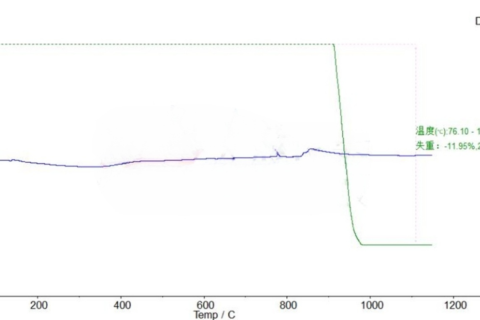
In a recent analysis, we employed DSC to study the thermal behavior of PLA under conditions that adhered to the national standard GB/T19466. The test range was 25–200°C with a heating rate of 10°C/min in a high-purity nitrogen atmosphere. The results were impressive:
- Glass Transition Temperature (Tg): 63.64°C
- Melting Temperature: 148.29°C
The DSC test provided highly reproducible data, reinforcing its reliability for evaluating PLA’s thermal properties.
Why does this matter?
By using DSC, we gain valuable insights into PLA’s behavior at different temperatures, allowing for optimized processing techniques and the development of high-performance PLA products.
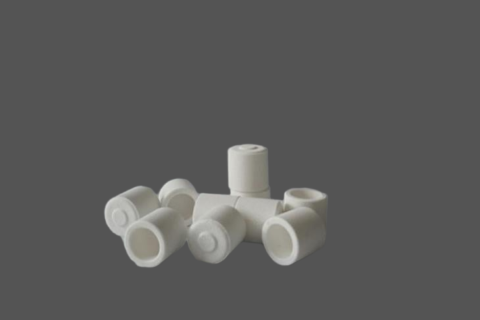
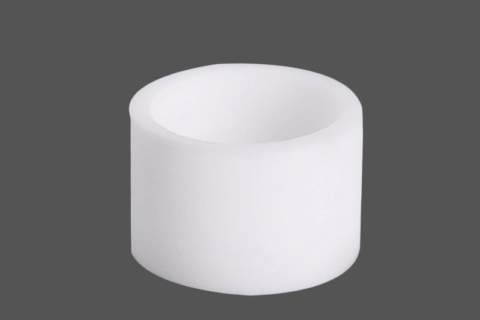
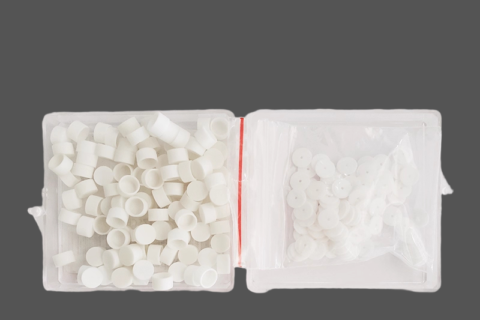
At CeramXpert, we offer cost-effective, compatible alternatives to the leading brands in thermal analysis consumables. If you’re conducting similar tests and need reliable, high-quality thermal analysis consumables, we have the perfect solution for you.
Feel free to reach out to explore how our thermal analysis crucibles, sample pans, and other consumables can help you achieve precise results like this. 🌟
#ThermalAnalysis #DSC #PLA #PolyLacticAcid #MaterialsScience #Sustainability #CeramXpert #LaboratoryTesting #BiodegradableMaterials #MaterialAnalysis