Comparison of Thermal Analysis Methods for Phase Change Materials (PCM)
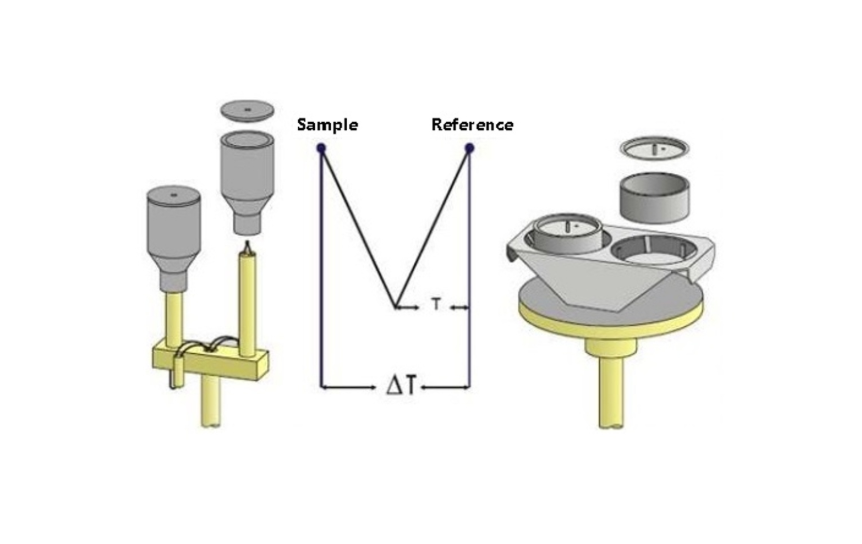
As energy efficiency becomes a global priority, thermal energy storage systems are gaining increasing attention—and at the heart of these systems are Phase Change Materials (PCMs).
But how do you accurately evaluate PCM performance? Let’s break it down. 👇
🔍 Why PCM Characterization Matters
PCMs store and release energy through latent heat during phase transitions. They are widely used in:
- Building energy efficiency
- Electronics cooling
- Automotive systems
- Aerospace applications
- Solar energy storage
To ensure optimal performance, PCMs must meet key criteria:
✔ Suitable melting temperature within the operating range
✔ High latent heat per unit volume
✔ High specific heat capacity
✔ Good thermal conductivity (solid & liquid phases)
✔ Minimal volume change during phase transition
✔ Stable performance over repeated cycles
⚗️ Common Thermal Analysis Methods for PCM
Several techniques are used to evaluate key thermal properties such as phase change temperature, latent heat, and heat capacity:
1. DSC (Differential Scanning Calorimetry)
- High accuracy
- Small sample size
- Widely used for quantitative analysis
2. DTA (Differential Thermal Analysis)
- Suitable for qualitative analysis
- Lower precision compared to DSC
3. TGA (Thermogravimetric Analysis)
- Used for thermal stability and decomposition
- Limited for phase change characterization
4. T-history Method
- Ideal for large sample sizes
- Suitable for real-world applications (bulk materials)
- Flexible heating/cooling conditions
- Cost-effective and easy to maintain
⚖️ Method Comparison: Which One to Choose?
Choosing the right method depends on several factors:
- Sample size requirements
- Measurement accuracy
- Testing time
- Equipment cost & maintenance
📌 Key Insight:
While DSC remains the industry standard for precision, the T-history method stands out for large-scale, practical PCM evaluation—especially in construction and energy storage applications.
It offers:
✔ Shorter testing time
✔ Lower equipment cost
✔ Minimal maintenance
✔ Capability for multi-sample testing
💡 Final Thoughts
No single method fits all scenarios. For lab-scale precision, DSC is ideal. For real-world, large-scale applications, T-history provides a more representative evaluation.
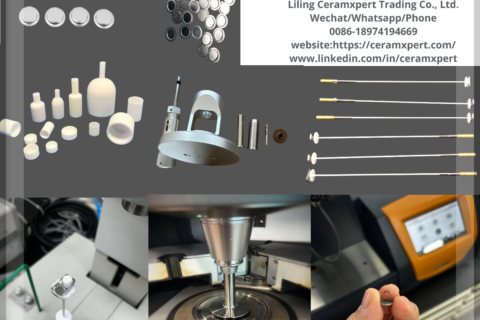
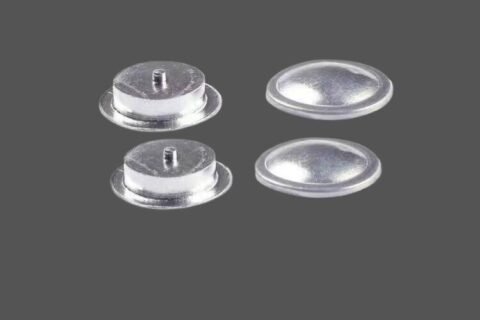
At CeramXpert, we support advanced thermal analysis by providing high-quality, cost-effective consumables compatible with leading brands—helping you achieve reliable and reproducible results.
📩 Feel free to reach out for more details or product catalogs!