How to Choose the Right DSC Sample Pan for Accurate Thermal Analysis?
Avoid These Common Mistakes When Choosing DSC Sample Pans for Thermal Analysis
Accurate thermal analysis depends on many small details — and the DSC sample pan is one of the most important factors that can influence your results.
A wrong choice of pan material, size, or compatibility may lead to unstable baselines, inaccurate heat flow measurements, sample contamination, or repeated experiments.
At CeramXpert, we help laboratories, universities, and R&D teams select reliable thermal analysis consumables compatible with major DSC and TGA instruments, including Mettler Toledo, NETZSCH, PerkinElmer, TA Instruments, Hitachi/Seiko, and LECO.
Here are the most common DSC sample pan problems and how to avoid them.
1. Choosing the Wrong DSC Sample Pan Material
Different samples require different pan materials. Using an unsuitable material may cause chemical reactions, oxidation, or inaccurate thermal signals.
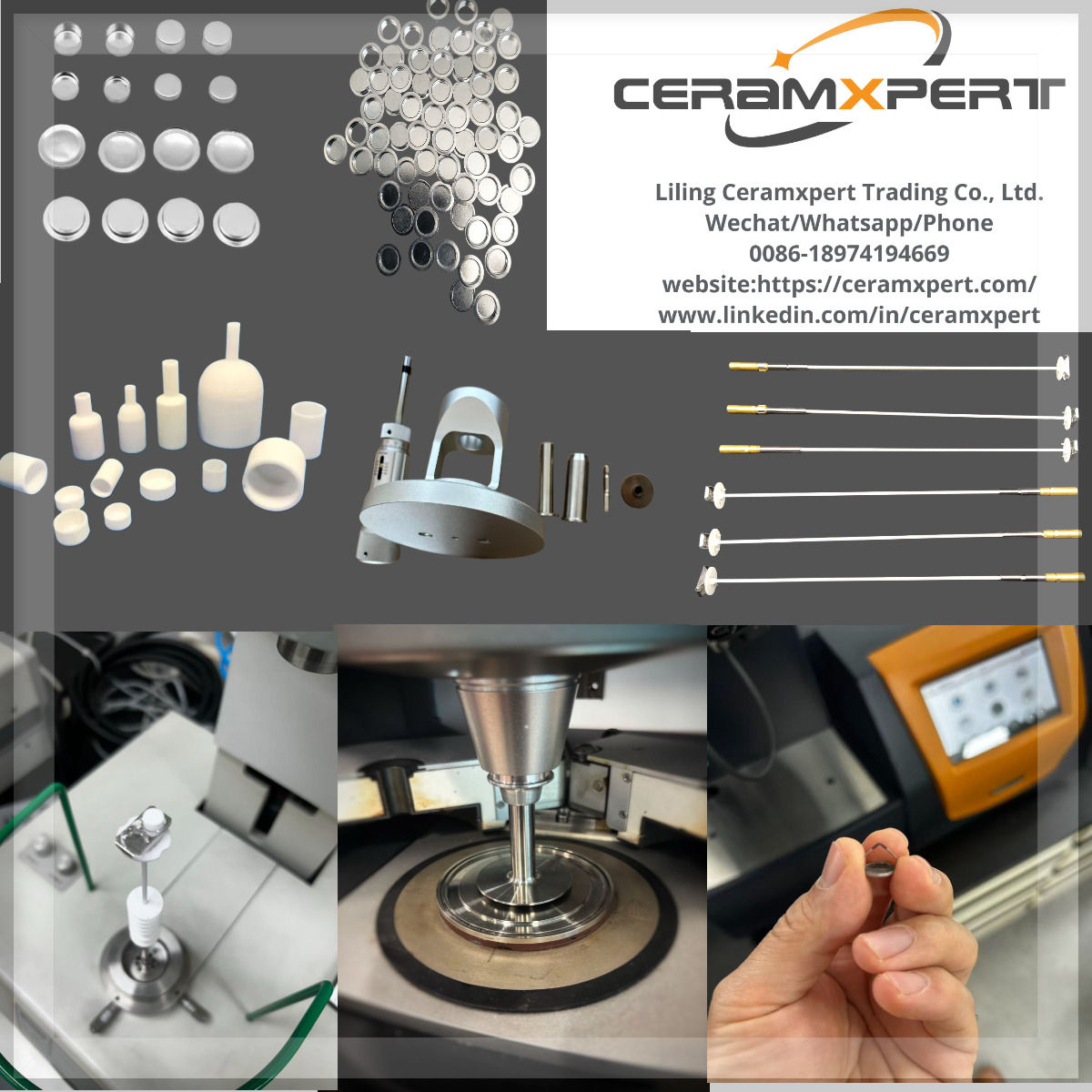
Common DSC sample pan materials include:
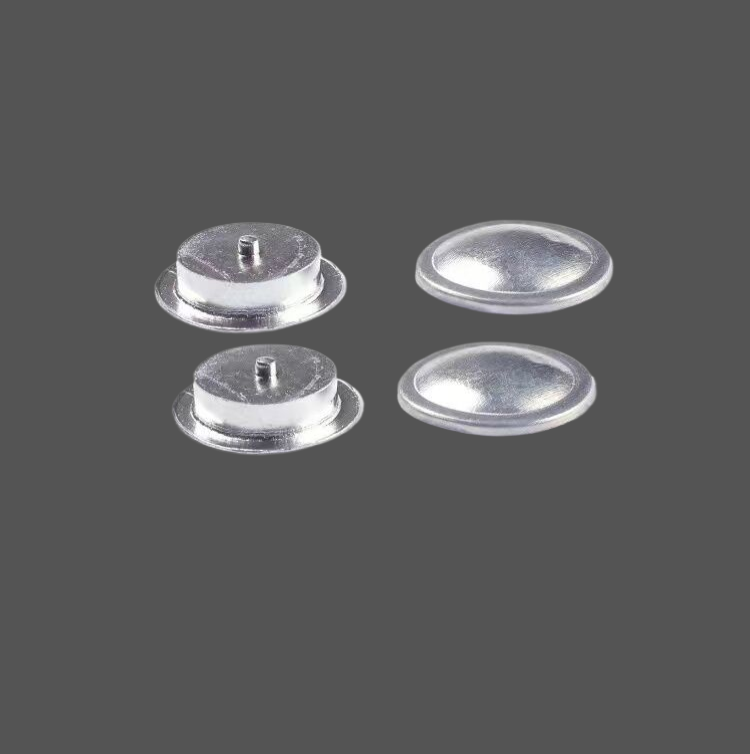
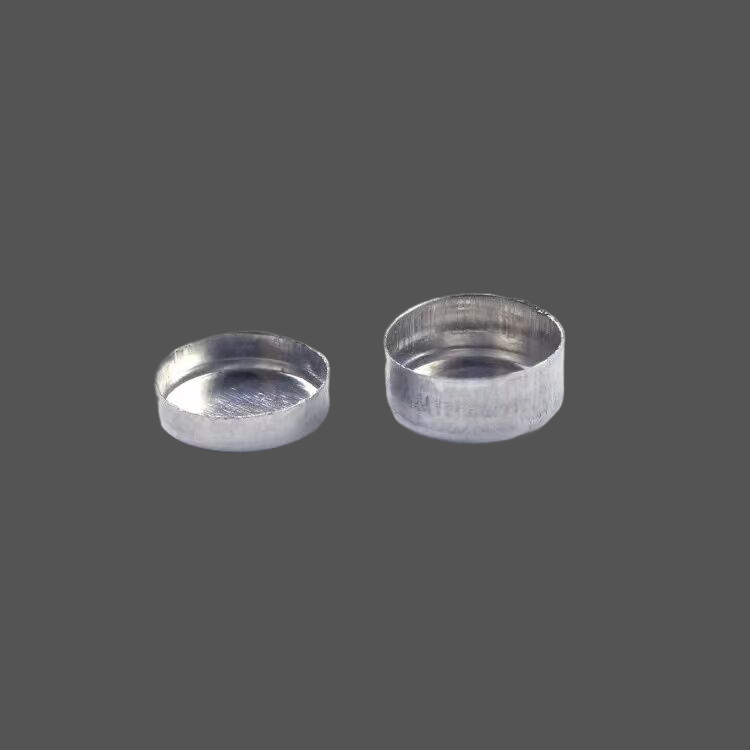
🔹 Aluminum DSC pans
- Excellent thermal conductivity
- Widely used for polymers, pharmaceuticals, and general DSC testing
- Suitable for moderate temperature applications
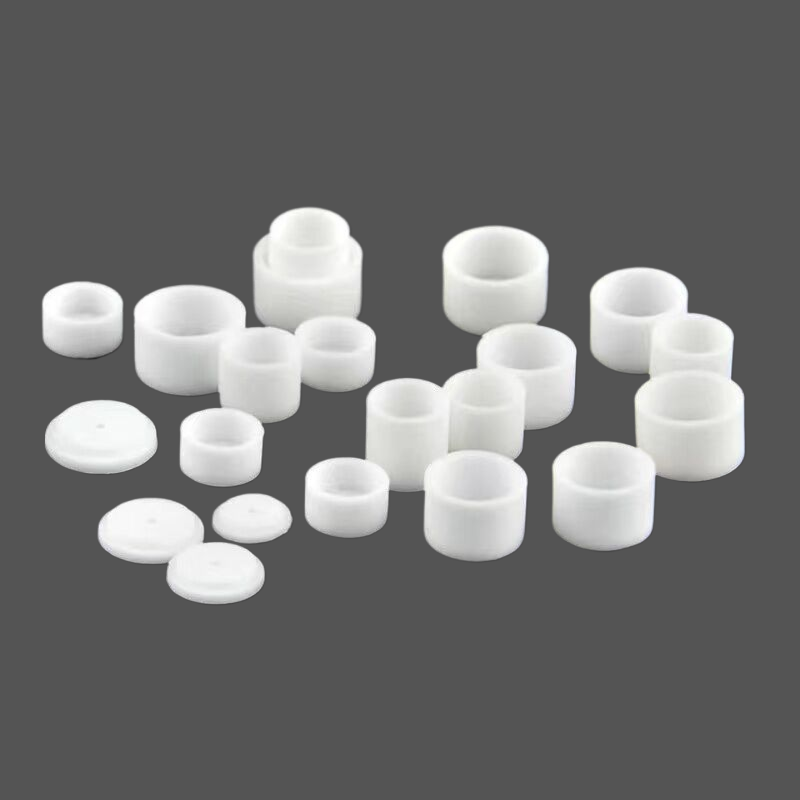
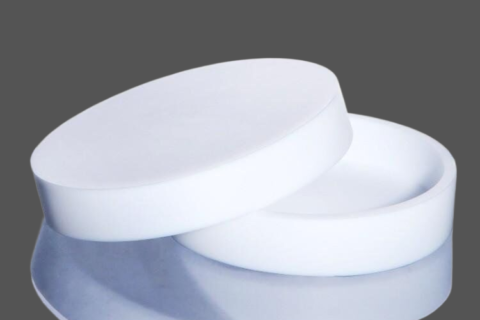
🔹 Ceramic / Alumina pans
- Excellent chemical stability
- High-temperature resistance
- Ideal for inorganic materials, ceramics, catalysts, and reactive samples
🔹 Platinum pans
- Highly inert and corrosion-resistant
- Suitable for demanding high-temperature applications
Before selecting a DSC pan, always consider:
✔ Sample composition
✔ Testing temperature range
✔ Chemical compatibility
✔ Required atmosphere conditions
2. Ignoring DSC Instrument Compatibility
Even a high-quality DSC sample pan may not perform correctly if it does not match your instrument.
Always confirm:
✅ Pan diameter and height
✅ Lid design and sealing method
✅ Sensor compatibility
✅ Instrument model requirements
CeramXpert provides compatible DSC sample pans and thermal analysis accessories for various analytical instruments, helping laboratories maintain reliable performance while reducing consumable costs.
3. Selecting the Wrong Pan Size
Sample quantity directly affects DSC results.
A pan that is too small may:
- Limit sample volume
- Increase weighing errors
- Reduce measurement repeatability
A pan that is too large may:
- Affect heat transfer efficiency
- Increase temperature gradients
- Reduce sensitivity
Choosing the correct pan size helps achieve better:
✔ Heat flow measurement
✔ Baseline stability
✔ Experimental repeatability
4. Poor Quality Consumables Can Affect Results
Low-quality DSC pans may cause:
- Uneven heat transfer
- Leakage during testing
- Poor sealing performance
- Inconsistent experimental data
For research laboratories and industrial QC teams, reliable thermal analysis consumables are essential for maintaining accurate and repeatable results.
How to Select the Right DSC Sample Pan?
Before purchasing DSC sample pans, ask these questions:
- What DSC instrument model are you using?
- What sample type are you testing?
- What temperature range is required?
- Do you need open, sealed, or high-pressure pans?
- What quantity do you need for your testing program?
The correct combination of material + size + instrument compatibility ensures better thermal analysis performance.
About CeramXpert
CeramXpert specializes in thermal analysis consumables and advanced ceramic solutions for laboratories, universities, and industrial R&D applications.
Our products include:
✅ DSC sample pans
✅ TGA crucibles
✅ STA accessories
✅ Alumina, zirconia, boron nitride, and quartz ceramics
✅ Customized ceramic components
We provide cost-effective alternatives compatible with leading analytical instrument brands while maintaining reliable performance.
Contact CeramXpert for DSC/TGA consumables and customized ceramic solutions.
#CeramXpert #DSCSamplePans #ThermalAnalysis #ThermalAnalysisConsumables #DSCAnalysis #TGAAnalysis #MaterialsAnalysis #LaboratoryConsumables #AdvancedCeramics #AluminaCeramics #MaterialsScience #AnalyticalInstruments #ResearchAndDevelopment #UniversityResearch #ChemicalAnalysis #RDLaboratory