🔬 How to Properly Load a Thermal Analysis Crucible: 5 Steps for Reliable DSC and TGA Results
🔬 5 Tips for Reliable DSC & TGA Sample Preparation
Accurate thermal analysis starts before the instrument begins heating.
Improper sample loading, contamination, inconsistent sample mass, and unsuitable crucibles can affect measurement quality and reproducibility. For laboratories performing Differential Scanning Calorimetry (DSC) and Thermogravimetric Analysis (TGA), standardized sample preparation is essential.
At CeramXpert, we support laboratories with cost-effective, compatible thermal analysis consumables and advanced ceramic solutions for materials testing.
Here are 5 essential steps for proper crucible loading:
✅ 1. Prepare the crucible carefully
Work in a clean environment, wear powder-free gloves, and handle crucibles with suitable ceramic or metal tweezers. Inspect each crucible for contamination, residue, or visible damage before use.
✅ 2. Use the right weighing tools
A calibrated microbalance, clean spatula, and appropriate handling tools help minimize contamination and improve sample-weight consistency. Record the exact sample mass for every measurement.
✅ 3. Control the sample quantity
As a general starting point, the source recommendations are:
• DSC: 5–10 mg
• TGA: 10–20 mg
• Polymer DSC: 5–7 mg
These are indicative ranges, not universal requirements. Always follow your instrument manufacturer’s guidance and consider sample properties, crucible capacity, and the specific test method.
✅ 4. Choose the appropriate lid and sealing method
For DSC, the decision to use an open, lidded, or hermetically sealed pan depends on sample volatility, chemical compatibility, temperature limits, and the possibility of pressure buildup.
Volatile samples may require a suitable hermetic pan, but sealing must be appropriate for the sample and operating conditions. Never seal a sample without evaluating potential pressure hazards.
✅ 5. Match the crucible material to your application
The crucible is part of the measurement system. Consider the operating temperature, sample chemistry, atmosphere, and risk of sample–crucible interaction when selecting a material.
High-purity alumina crucibles are useful for many high-temperature applications, while aluminum pans are commonly used for routine DSC measurements within their specified operating limits.
How can CeramXpert support your thermal analysis laboratory?
CeramXpert supplies cost-effective, non-OEM alternatives to compatible thermal analysis consumables for selected Mettler Toledo, NETZSCH, PerkinElmer, TA Instruments, Hitachi, and LECO systems.
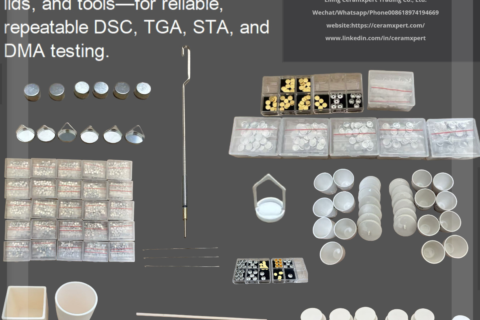
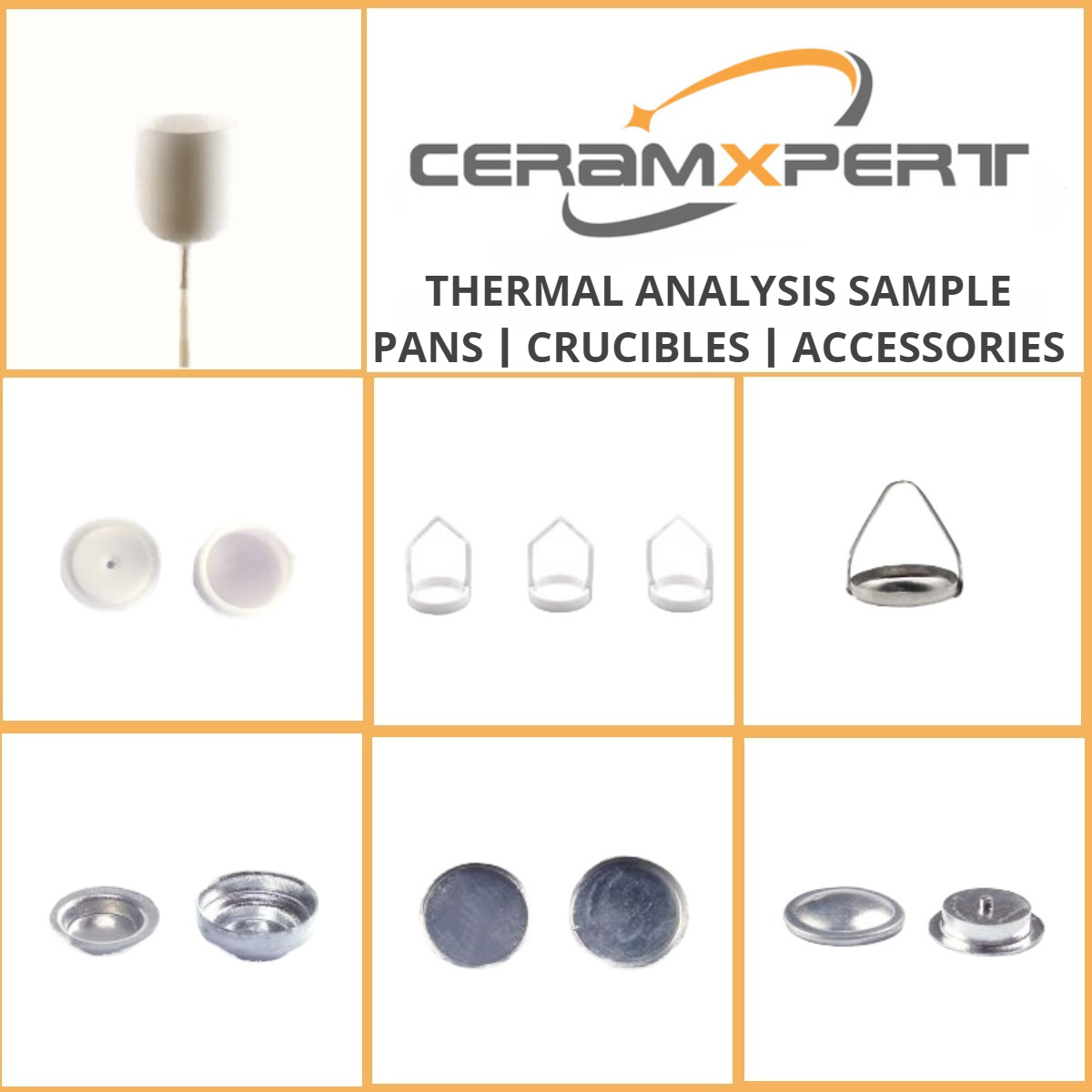
Our product range includes alumina crucibles, DSC pans and lids, and selected advanced ceramic components for laboratory and industrial applications.
📩 Need help finding a compatible thermal analysis crucible? Contact CeramXpert with your instrument model, part number, sample type, and operating temperature so we can help identify a suitable option.
Reliable results begin with consistent preparation and the right consumables.
#CeramXpert #ThermalAnalysis #ThermalAnalysisCrucibles #DSC #TGA #SamplePreparation #AluminaCrucibles #DSCSamplePans #LaboratoryConsumables #MaterialsScience #QualityControl #AdvancedCeramics