🔬 The Crucible Is Not Just a Sample Holder!
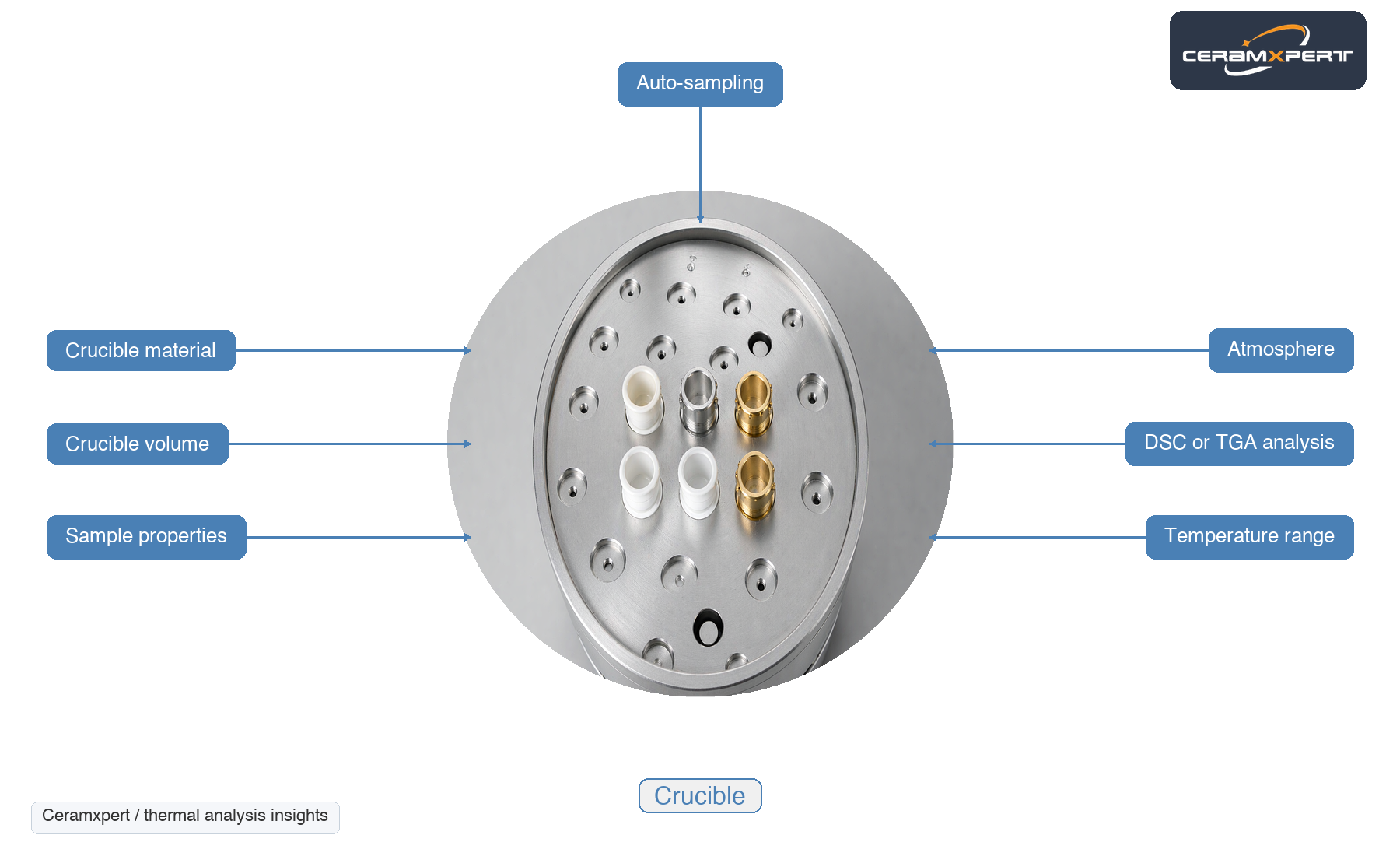
The Crucible Is Not Just a Sample Holder: 5 Factors That Influence Thermal Analysis Results
In thermal analysis, considerable attention is given to instrument calibration, temperature programs, heating rates, sample preparation, and measurement conditions.
However, one essential component is sometimes underestimated: the crucible.
Although it may appear to be a simple sample container, a crucible plays an important role in the thermal environment of a measurement. Its material, geometry, mass, volume, and lid configuration can influence heat transfer, sample interaction, and the way thermal events are recorded.
For Differential Scanning Calorimetry (DSC), Thermogravimetric Analysis (TGA), and Simultaneous Thermal Analysis (STA), selecting an appropriate crucible is therefore an important part of developing a reliable analytical method.
Let’s examine five factors that deserve attention.
1. Crucible Material: Chemical Compatibility Comes First
Different crucible materials exhibit different thermal and chemical properties.
Common materials used in thermal analysis include:
- Aluminum: Widely used in DSC because of its high thermal conductivity and relatively low thermal mass. Its temperature range is limited by its melting point and the specific application.
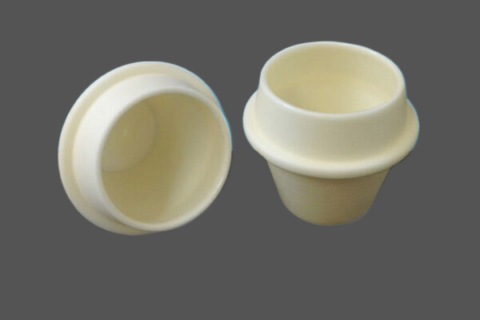
- Alumina (Al₂O₃): Commonly used for high-temperature TGA applications because of its thermal stability and suitability for many sample systems.
- Platinum: Offers high thermal conductivity and is useful in selected applications where its chemical compatibility is appropriate.
- Zirconia (ZrO₂): Used in specialized high-temperature applications requiring different combinations of thermal and chemical properties.
However, selecting a crucible based solely on its maximum temperature rating is not sufficient.
The interaction between the crucible and the sample must also be considered. Certain materials may react with specific samples, catalyze reactions, or become contaminated during heating.
Practical consideration: Before selecting a material, evaluate the sample composition, expected reactions, operating atmosphere, and complete temperature program.
2. Crucible Geometry and Bottom Contact: Small Differences Can Matter
In DSC measurements, heat transfer between the sensor, crucible, and sample is essential.
The crucible’s geometry can influence:
- Contact between the crucible bottom and sensor.
- Heat distribution throughout the sample.
- Temperature gradients within the sample.
- Thermal response and peak characteristics.
- Measurement reproducibility.
For example, variations in bottom flatness, surface condition, and manufacturing tolerances may affect the actual contact area between the crucible and sensor.
This is particularly relevant when working with small sample masses and high-sensitivity DSC measurements.
A crucible with appropriate geometry and consistent manufacturing quality helps establish more controlled measurement conditions.
Practical consideration: Pay attention not only to external dimensions but also to bottom flatness, surface finish, dimensional tolerances, and compatibility with the instrument’s sample carrier.
3. Crucible Mass and Volume: The Importance of Thermal Balance
Crucible mass and volume are closely related to the measurement system’s thermal behavior.
In DSC, the crucible contributes to the total heat capacity of the measuring system. Differences in crucible mass and material properties can influence sensitivity, thermal response, and peak shape.
In TGA, crucible mass and geometry can also affect the measurement environment, including sample distribution, surface-to-mass ratio, and the exposure of the sample to the surrounding atmosphere.
Consider two crucibles with identical external dimensions but different wall thicknesses or material densities. Their thermal characteristics may differ even though they appear physically similar.
Sample loading is equally important. An excessively large sample or uneven distribution may create temperature gradients or affect mass-transfer conditions.
Practical consideration: Select a crucible volume appropriate for the expected sample quantity, and maintain consistent sample loading and crucible specifications when comparing measurements.
4. Lid Configuration and Atmosphere: Controlling the Measurement Environment
A crucible lid is not simply an accessory. Its configuration can influence how the sample interacts with the surrounding atmosphere.
Depending on the application, laboratories may use:
- Open crucibles.
- Crucibles with loose-fitting lids.
- Crucibles with pierced lids.
- Hermetically sealed crucibles.
- Specialized pressure-resistant crucibles.
Each configuration serves a different purpose.
For example:
Open crucibles: Allow direct interaction between the sample and purge atmosphere, making them useful for many TGA applications.
Pierced lids: Permit controlled gas exchange and the release of volatile products in selected DSC applications.
Hermetically sealed crucibles: Help retain volatile components and are useful for specific DSC investigations involving liquids, solvents, or moisture-sensitive materials, subject to pressure and temperature limitations.
The choice must also account for the purge gas, gas flow, sample decomposition behavior, and possible pressure development.
Practical consideration: The lid configuration should be selected according to the measurement objective, not simply because a particular lid is available.
5. Temperature Range and Experimental Conditions: One Crucible Does Not Fit Every Application
A crucible suitable for one thermal analysis application may not be suitable for another.
The operating temperature, atmosphere, heating rate, sample chemistry, and expected thermal reactions must all be considered together.
For example:
- Aluminum crucibles are commonly used for polymer DSC measurements within their applicable temperature limits.
- Alumina crucibles are widely used for high-temperature TGA testing.
- Platinum crucibles are selected for particular applications where their properties and sample compatibility are suitable.
- Zirconia crucibles may be considered for specialized high-temperature environments.
It is also important to distinguish between a material’s nominal maximum temperature and its recommended operating temperature under actual experimental conditions.
Oxidizing, reducing, inert, and vacuum environments can lead to different material limitations.
Practical consideration: Always check the manufacturer’s specifications and assess the complete experimental environment before choosing a crucible.
Beyond the Five Factors: Why Consistency Matters
Choosing the correct crucible is only the first step.
For laboratories conducting routine quality control, comparative studies, or long-term research, consistency between measurements is equally important.
A change in crucible material, geometry, mass, or lid configuration may alter the measurement response. When changing consumables or suppliers, laboratories should evaluate the alternative under their own validated procedures.
Useful quality-control considerations include:
- Dimensional consistency between batches.
- Material purity and traceability.
- Consistent wall thickness and bottom geometry.
- Surface quality and freedom from visible defects.
- Reliable compatibility with the instrument and sample carrier.
A lower purchasing price is valuable, but technical suitability and measurement consistency should remain the primary considerations.
Final Thoughts
A thermal analysis crucible is much more than a container.
It is part of the measurement system and should be selected with the same attention given to sample preparation, calibration, and experimental parameters.
Whether conducting routine DSC measurements, high-temperature TGA investigations, or specialized STA experiments, the right combination of material, geometry, volume, lid configuration, and operating conditions can help establish reliable and reproducible measurement procedures.
At CeramXpert, we believe that understanding the application is the starting point for supplying the right consumables.
We provide cost-effective, compatible alternatives for thermal analysis consumables used with instruments from Mettler Toledo, NETZSCH, PerkinElmer, TA Instruments, Hitachi/Seiko, LECO, Setaram, and other manufacturers.
Our product range includes:
- Aluminum DSC pans and lids.
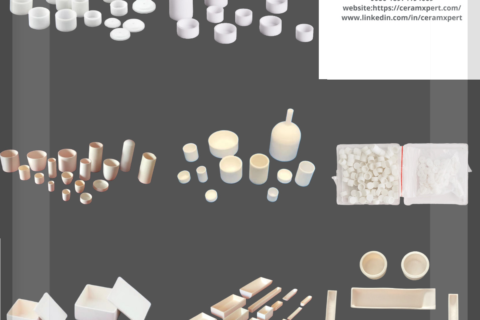
- Alumina and zirconia crucibles.
- Platinum crucibles and specialized containers.
- TGA sample holders and accessories.
- Crucible sealing tools and related consumables.
- Customized advanced ceramic components.
A question for laboratory professionals:
When selecting a crucible for DSC or TGA measurements, which factor matters most in your daily work: material compatibility, thermal performance, geometry, or reproducibility?
We would be interested in hearing your experience.
CeramXpert | Thermal Analysis Consumables & Advanced Ceramics
Website: https://ceramxpert.com/
Email Address:max@ceramxpert.com
#ThermalAnalysis #DSC #TGA #STA #LaboratoryConsumables #MaterialsScience #AdvancedCeramics #LaboratoryEquipment #QualityControl