The Critical Role of Crucible Materials in Thermal Analysis Techniques (TGA, DSC, STA)
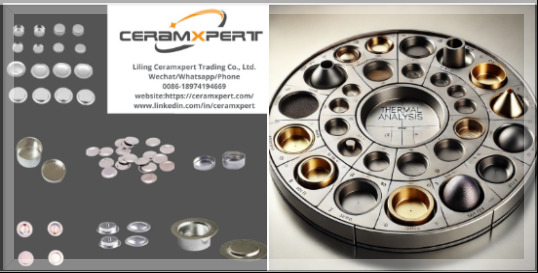
CeramXpert – Advanced Ceramic & Thermal Analysis Consumables Solutions
Introduction
In thermal analysis techniques such as Thermogravimetric Analysis (TGA), Differential Scanning Calorimetry (DSC), and Simultaneous Thermal Analysis (STA), the choice of crucible material is not a minor detail—it is a critical factor that directly determines data accuracy, repeatability, and experimental reliability.
Crucibles act as the sample container during heating experiments, but they also interact with heat flow, chemical reactions, and mass stability. A poor selection can lead to baseline drift, distorted peaks, or even complete test failure.
At CeramXpert, we specialize in supplying high-performance thermal analysis consumables and advanced ceramic crucibles designed for precision and consistency.
Why Crucible Materials Matter in Thermal Analysis
The crucible is not a passive holder—it actively influences experimental outcomes in TGA, DSC, and STA.
🔬 In TGA (Thermogravimetric Analysis)
TGA measures mass change as temperature increases. Crucible properties directly affect:
- Thermal stability – prevents deformation at high temperatures
- Chemical inertness – avoids reaction with decomposing samples
- Weight sensitivity – ensures accurate detection of small mass changes
Even slight instability can distort weight loss curves and lead to incorrect thermal interpretation.
🔥 In DSC (Differential Scanning Calorimetry)
DSC measures heat flow during phase transitions such as melting or crystallization.
Key crucible requirements include:
- High thermal conductivity for fast heat transfer
- Low mass for improved sensitivity
- Stable behavior across heating cycles
Poor heat transfer can delay transition detection and reduce peak accuracy.
⚙️ In STA (Simultaneous Thermal Analysis)
STA combines TGA and DSC, making crucible selection even more critical. The crucible must balance:
- Mass stability (TGA accuracy)
- Heat flow responsiveness (DSC accuracy)
- High-temperature durability
Common Crucible Materials and Their Properties
Different materials are used depending on temperature range, sample type, and analysis requirements.
🧪 Alumina (Al₂O₃) Crucibles
- High temperature resistance (up to ~1500°C–1600°C)
- Excellent chemical stability
- Most widely used for TGA and STA
- Limited thermal conductivity for DSC
🔬 Platinum Crucibles
- Exceptional chemical inertness
- Excellent thermal conductivity
- Ideal for high-precision and high-purity applications
- High cost, but reusable and durable
⚙️ Aluminum Crucibles
- Excellent thermal conductivity
- Lightweight and cost-effective
- Suitable for low-temperature DSC (<660°C)
- Limited reuse and temperature range
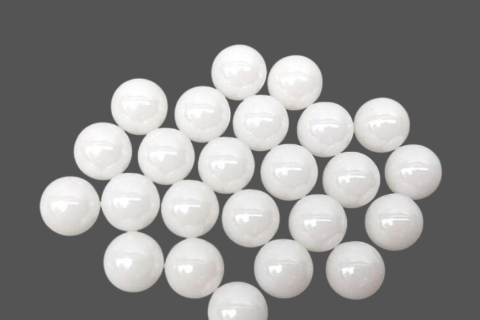
🧪 Zirconia (ZrO₂) Crucibles
- Very high temperature resistance (>1600°C)
- High mechanical strength
- Suitable for extreme thermal applications
🔩 Stainless Steel Crucibles
- High pressure and mechanical strength
- Used in specialized thermal environments
- Heavier, affecting sensitivity in some applications
Key Material Properties That Affect Performance
🔥 1. Thermal Resistance
Crucibles must withstand high temperatures without deformation. Exceeding limits can cause equipment damage and invalid results.
⚗️ 2. Chemical Inertness
Reactions between the crucible and sample can produce false peaks and contamination, especially in reactive or volatile samples.
⚖️ 3. Weight Consistency
Even ±0.01 g variation can impact DSC sensitivity and baseline stability in high-precision applications.
🌡️ 4. Thermal Conductivity
Affects heat flow response time and peak resolution, especially in DSC measurements.
Real Impact in Laboratory Applications
Improper crucible selection can lead to:
- Baseline drift in DSC curves
- False decomposition signals in TGA
- Poor reproducibility across test batches
- Misinterpretation of phase transitions
In pharmaceutical, polymer, and battery research, these errors can delay development and increase testing costs.
CeramXpert Thermal Analysis Consumables
At CeramXpert, we provide a complete range of:
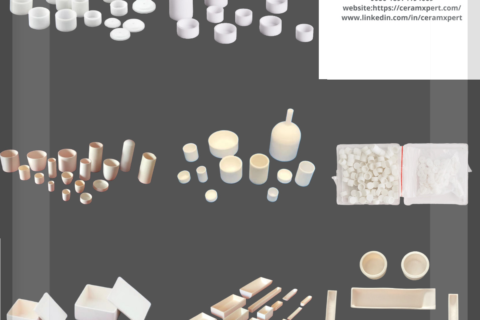
- Alumina, zirconia, platinum, and quartz crucibles
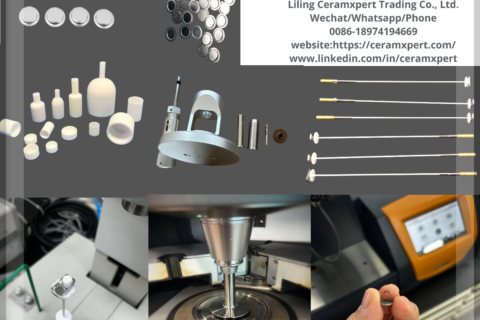
- DSC/TGA/STA sample pans and lids
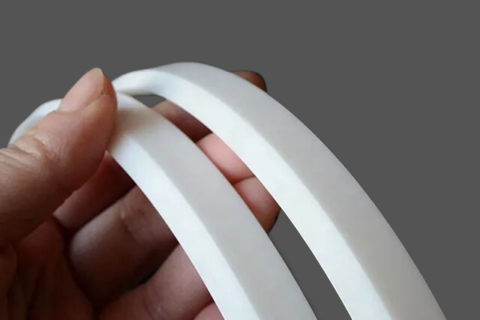
- High-purity advanced ceramic components
- OEM-compatible thermal analysis consumables
Our products are designed for compatibility with leading instrument brands, including:
Mettler Toledo, NETZSCH, PerkinElmer, TA Instruments, Hitachi, Shimadzu, and LECO
We focus on delivering:
✔ High precision
✔ Consistent quality
✔ Cost-effective alternatives
✔ Reliable performance in research and industrial labs
Conclusion
Crucible material selection is a foundational factor in thermal analysis. The right choice ensures accurate data, stable measurements, and reproducible results across experiments.
By selecting the appropriate crucible—based on temperature range, chemical compatibility, and sensitivity requirements—researchers can significantly improve the quality of their TGA, DSC, and STA results.
CeramXpert supports laboratories worldwide with reliable, high-performance thermal analysis consumables designed for precision and efficiency.