95% vs. 99% Alumina: Choosing the Right Ceramic for High-Temperature Furnace Applications in 2026
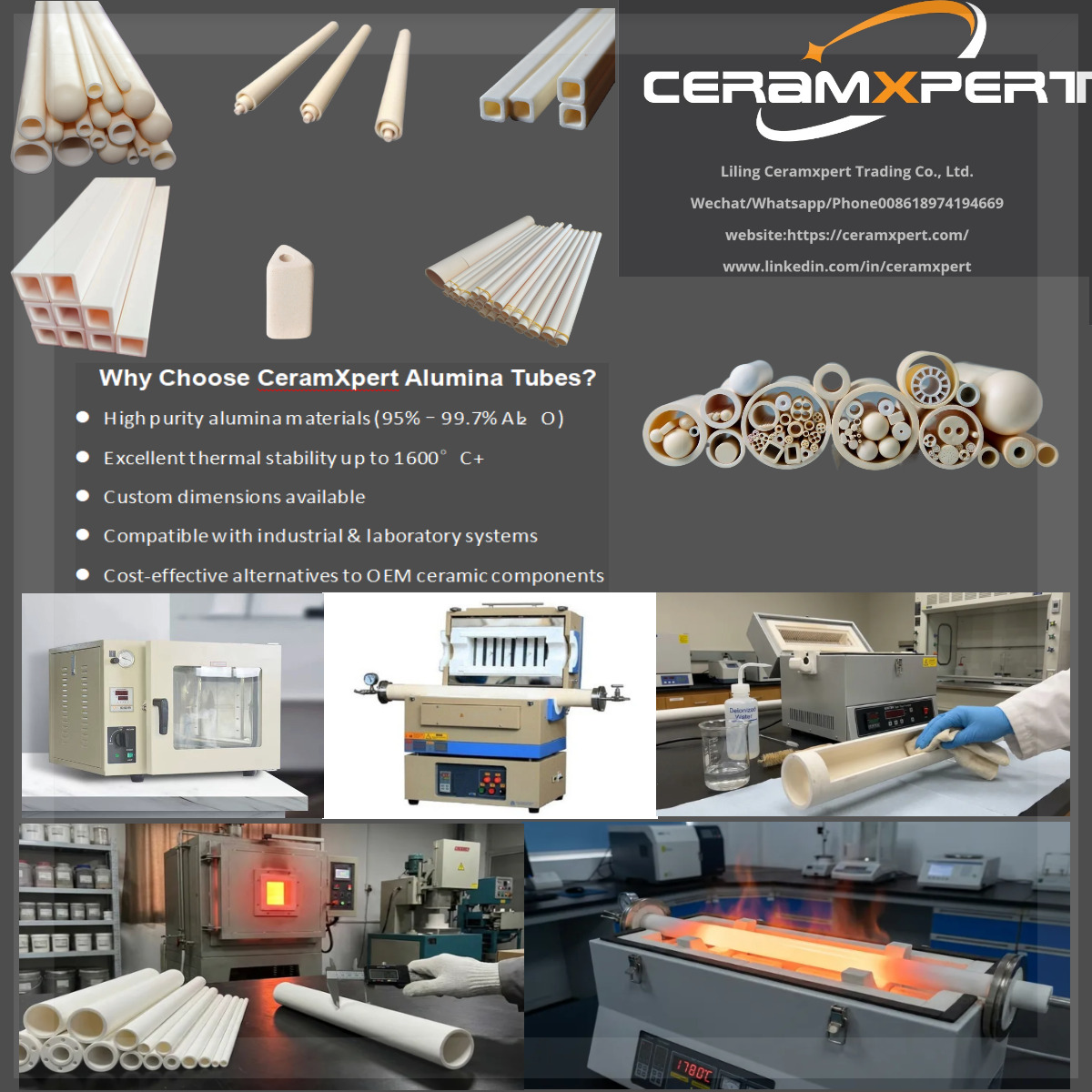
At CeramXpert, we often receive questions from researchers and engineers about choosing between 95% alumina and 99% alumina ceramics for high-temperature applications.
A common misconception is that “higher purity is always better.” In reality, the best material choice depends on the complete working environment — including temperature, thermal cycling, mechanical stress, dimensional stability, atmosphere, and cost requirements.
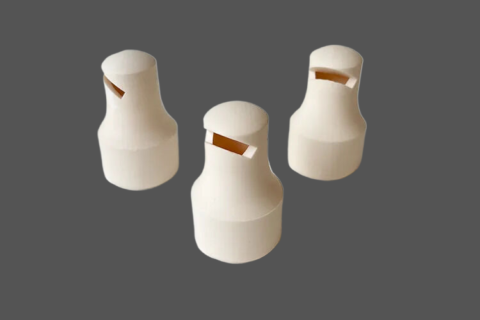
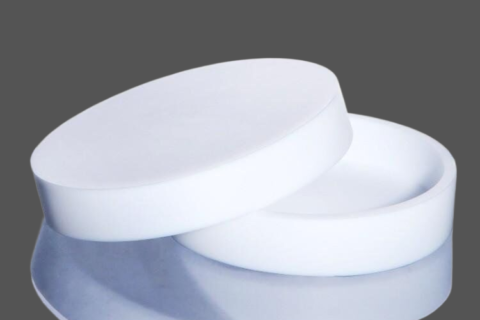
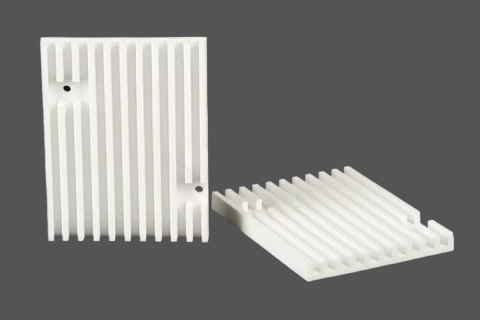
For applications such as furnace viewports, inspection windows, ceramic inserts, crucibles, and insulation-facing components, understanding the difference between alumina grades is essential.
🔹 95% Alumina — Performance Meets Cost Efficiency
✓ Suitable for many laboratory and industrial applications below its long-term service temperature range.
✓ Provides reliable mechanical strength for low to moderate load conditions.
✓ Offers good thermal stability for standard heating and cooling cycles.
✓ A cost-effective solution for non-critical structural components.
🔹 99% Alumina — Enhanced Reliability for Demanding Conditions
✓ Higher temperature capability and greater safety margin.
✓ Improved dimensional stability for precision applications.
✓ Better choice for complex designs involving holes, edges, sealing interfaces, or tighter tolerances.
✓ Lower impurity levels for applications requiring cleaner operating conditions.
♦️ Material selection is only one part of successful ceramic design.
A reliable high-temperature component also depends on:
✔ Managing thermal gradients
✔ Minimizing stress concentration around edges and openings
✔ Considering thermal expansion differences between ceramic, metal, and insulation materials
✔ Optimizing mounting and interface design
♦️ When should other ceramics be considered?
• Silicon Carbide (SiC): For extreme thermal shock resistance and frequent rapid temperature cycling.
• Silicon Nitride (Si₃N₄): For applications requiring excellent mechanical strength and chemical resistance.
• Advanced Ceramic Composites: For specialized requirements such as lightweight structures or unique thermal/electrical properties.
At CeramXpert, we help customers select the right ceramic solution based on real application conditions — not just material specifications.
Whether you need alumina crucibles, tubes, plates, rings, or customized ceramic components, our team can support material selection and design optimization for your high-temperature applications.
📩 Contact us to discuss your ceramic requirements.
What factors do you consider most important when selecting ceramic materials — cost, temperature capability, thermal shock resistance, or long-term reliability?
#CeramXpert #Alumina #AdvancedCeramics #TechnicalCeramics #CeramicMaterials #HighTemperatureMaterials #ThermalAnalysis #MaterialsScience #FurnaceTechnology #LaboratoryEquipment #IndustrialCeramics #EngineeringSolutions