Key Technical Specifications to Know Before Using DSC and TGA Sample Pans
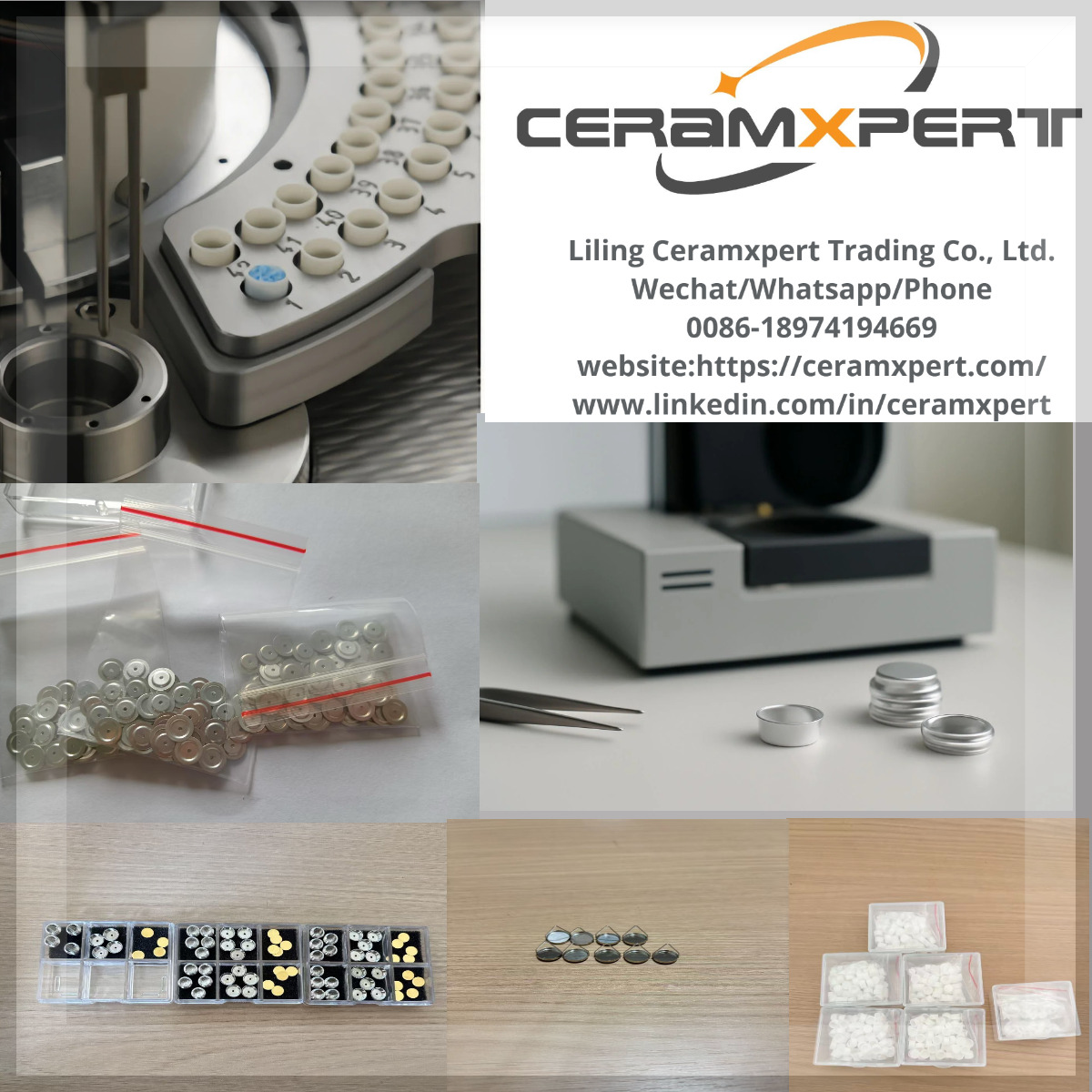
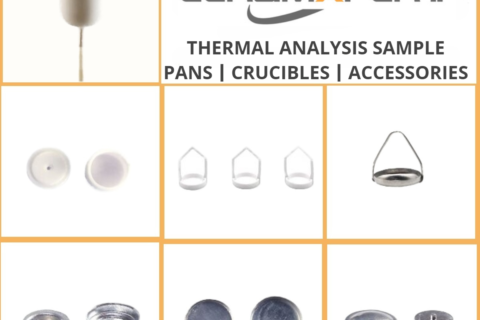
DSC sample pans and TGA crucibles
In thermal analysis, accurate results depend not only on the instrument performance but also on the quality and selection of the DSC sample pans and TGA crucibles used during testing.
Whether you are analyzing polymers, ceramics, metals, batteries, pharmaceuticals, or advanced materials, choosing the correct sample container can directly influence measurement accuracy, repeatability, and data reliability.
At CeramXpert, we support laboratories worldwide with high-quality thermal analysis consumables and advanced ceramic components designed for demanding research and industrial applications.
Why DSC and TGA Sample Pan Selection Matters
A sample pan or crucible is more than just a container. During thermal analysis, it interacts with:
✅ Heat transfer
✅ Sample atmosphere
✅ Chemical reactions
✅ Temperature stability
✅ Instrument measurement sensitivity
An unsuitable pan material or incorrect specification may lead to:
- Baseline instability
- Poor heat transfer
- Unexpected reactions between sample and container
- Reduced measurement repeatability
- Incorrect thermal transition results
For reliable DSC (Differential Scanning Calorimetry) and TGA (Thermogravimetric Analysis) testing, laboratories should carefully evaluate the following technical specifications.
1. Material Selection: Aluminum, Alumina, Platinum, Zirconia & More
The material of the DSC pan or TGA crucible determines its thermal behavior, chemical resistance, and operating temperature range.
Aluminum DSC Sample Pans
Commonly used for standard DSC testing because of:
- Excellent thermal conductivity
- Fast heat response
- Lightweight design
- Cost efficiency
Typical applications:
- Polymer analysis
- Organic materials
- Pharmaceutical testing
- Low to medium temperature DSC measurements
Alumina (Al₂O₃) Crucibles
Alumina crucibles are among the most widely used options for TGA and STA applications due to:
- High-temperature resistance
- Excellent chemical stability
- Good durability
- Compatibility with oxidizing and inert atmospheres
Common applications:
- Ceramics research
- Battery materials
- Minerals
- Catalyst analysis
- High-temperature material testing
Platinum Crucibles
Platinum offers:
- Excellent chemical inertness
- High-temperature capability
- Superior durability for demanding applications
Often selected for:
- High-purity materials
- Research laboratories
- Specialized thermal analysis
Zirconia (ZrO₂) Crucibles
Zirconia is suitable for extreme environments requiring:
- High-temperature resistance
- Mechanical strength
- Chemical stability
2. Temperature Range Compatibility
Before selecting a DSC pan or TGA crucible, always check the maximum operating temperature.
Different materials provide different temperature capabilities:
| Material | Typical Application |
|---|---|
| Aluminum | Standard DSC testing |
| Alumina | High-temperature TGA/STA |
| Platinum | High-temperature and chemically demanding analysis |
| Zirconia | Extreme thermal applications |
Using a sample pan beyond its temperature limitation may cause deformation, contamination, or unreliable data.
3. Sample Volume and Size Specifications
The correct sample pan size helps achieve:
- Better thermal contact
- Stable measurement conditions
- Efficient sample usage
Important parameters include:
- Diameter
- Height
- Internal volume
- Sample loading capacity
- Weight consistency
For DSC testing, smaller sample volumes are often preferred for faster thermal response.
For TGA testing, crucible volume should match the expected mass change and decomposition behavior of the sample.
4. Sealing Type and Lid Design
For DSC applications, sealing is an important factor when analyzing:
- Volatile samples
- Polymers
- Organic materials
- Moisture-sensitive materials
Common options include:
- Open pans
- Standard lids
- Hermetically sealed pans
- Pierced lids
The correct sealing design helps control gas release and maintain measurement stability.
5. Instrument Compatibility
Before purchasing DSC sample pans or TGA crucibles, laboratories should confirm compatibility with their instruments.
CeramXpert provides compatible consumables for many leading thermal analysis platforms, including:
- Mettler Toledo
- Netzsch
- PerkinElmer
- TA Instruments
- Hitachi/Seiko
- Leco
Correct dimensional matching ensures:
✔ Proper installation
✔ Stable measurement positioning
✔ Reliable experimental results
6. Chemical Compatibility With Your Sample
Different materials react differently with test samples.
When selecting a crucible or pan, consider:
- Sample composition
- Atmosphere conditions
- Heating temperature
- Potential chemical interaction
For example:
- Aluminum pans are suitable for many routine DSC applications.
- Alumina crucibles are preferred for many high-temperature TGA tests.
- Platinum is selected when excellent chemical resistance is required.
How CeramXpert Supports Thermal Analysis Laboratories
At CeramXpert, we provide:
🔹 DSC sample pans
🔹 TGA crucibles
🔹 STA consumables
🔹 Alumina ceramic components
🔹 Zirconia ceramic parts
🔹 Boron nitride components
🔹 Custom advanced ceramic solutions
Our products are designed to support:
- Materials research laboratories
- Universities and institutes
- Battery R&D
- Polymer testing
- Metallurgy laboratories
- Chemical analysis facilities
- Quality control departments
Whether you need standard thermal analysis consumables or customized ceramic solutions, CeramXpert helps laboratories achieve reliable and repeatable results.
Choosing the right DSC sample pan or TGA crucible is a small decision that can make a major difference in thermal analysis accuracy.
Contact CeramXpert for professional support in selecting the right thermal analysis consumables for your application.