Reduce Testing Costs Without Compromising Data Quality
How to Optimize TGA Sample Size: Reduce Testing Costs Without Compromising Data Quality
In thermogravimetric analysis (TGA), using more sample material doesn’t always mean getting better results.
For laboratories performing routine quality control, polymer testing, battery material research, or high-temperature analysis, optimizing TGA sample size can help reduce material waste, improve testing efficiency, and control laboratory costs.
But how do you determine the right sample amount?
🔬 1. Start With the Material and Test Objective
The appropriate TGA sample mass depends on the material’s properties, expected mass loss, particle size, thermal conductivity, and testing objectives.
As a general starting point:
- 10–20 mg: Common for many routine TGA applications.
- Smaller samples: May be suitable for expensive materials or rapid thermal analysis.
- Larger samples: May be necessary for certain heterogeneous materials or specific analytical requirements.
These are general guidelines, not universal requirements. Always follow your instrument manufacturer’s recommendations and validated testing procedures.
⚖️ 2. Avoid Using Excessive Sample Material
Overloading a TGA crucible can create temperature gradients, delay the release of volatile components, and affect mass-transfer behavior. These effects may influence measured mass-loss profiles and decomposition temperatures.
Using an appropriate sample mass helps maintain consistent test conditions and improves reproducibility.
🧪 3. Choose the Right TGA Crucible
Sample size and crucible selection work together. Consider:
- Crucible material, such as alumina or platinum
- Crucible capacity and geometry
- Sample compatibility and chemical reactivity
- Operating temperature and test atmosphere
- Gas flow and heat-transfer requirements
A suitable crucible helps support reliable measurements while avoiding unnecessary consumption of expensive testing materials.
📊 4. Validate Before Scaling Up
Before reducing sample mass across an entire testing program, conduct comparative runs using representative sample quantities.
Check whether the mass-loss profile, characteristic temperatures, and final residue remain consistent within your method’s acceptance criteria.
The goal isn’t simply to use less sample—it’s to use the smallest practical sample mass that delivers reliable, repeatable results.
💡 How CeramXpert Supports Thermal Analysis Laboratories
CeramXpert supplies cost-effective, compatible alternatives to thermal analysis consumables for instruments from Mettler Toledo, NETZSCH, PerkinElmer, TA Instruments, Hitachi/Seiko, LECO, and other brands.
Our product range includes:
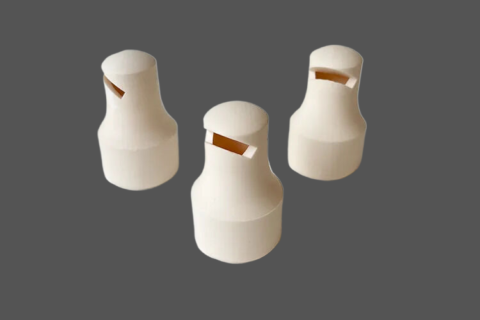
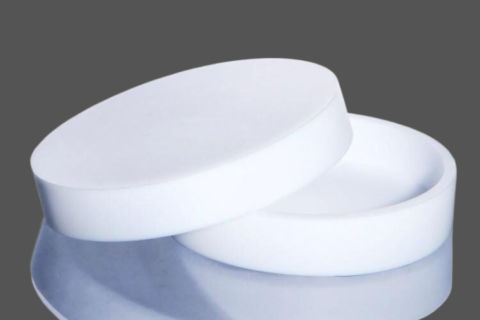
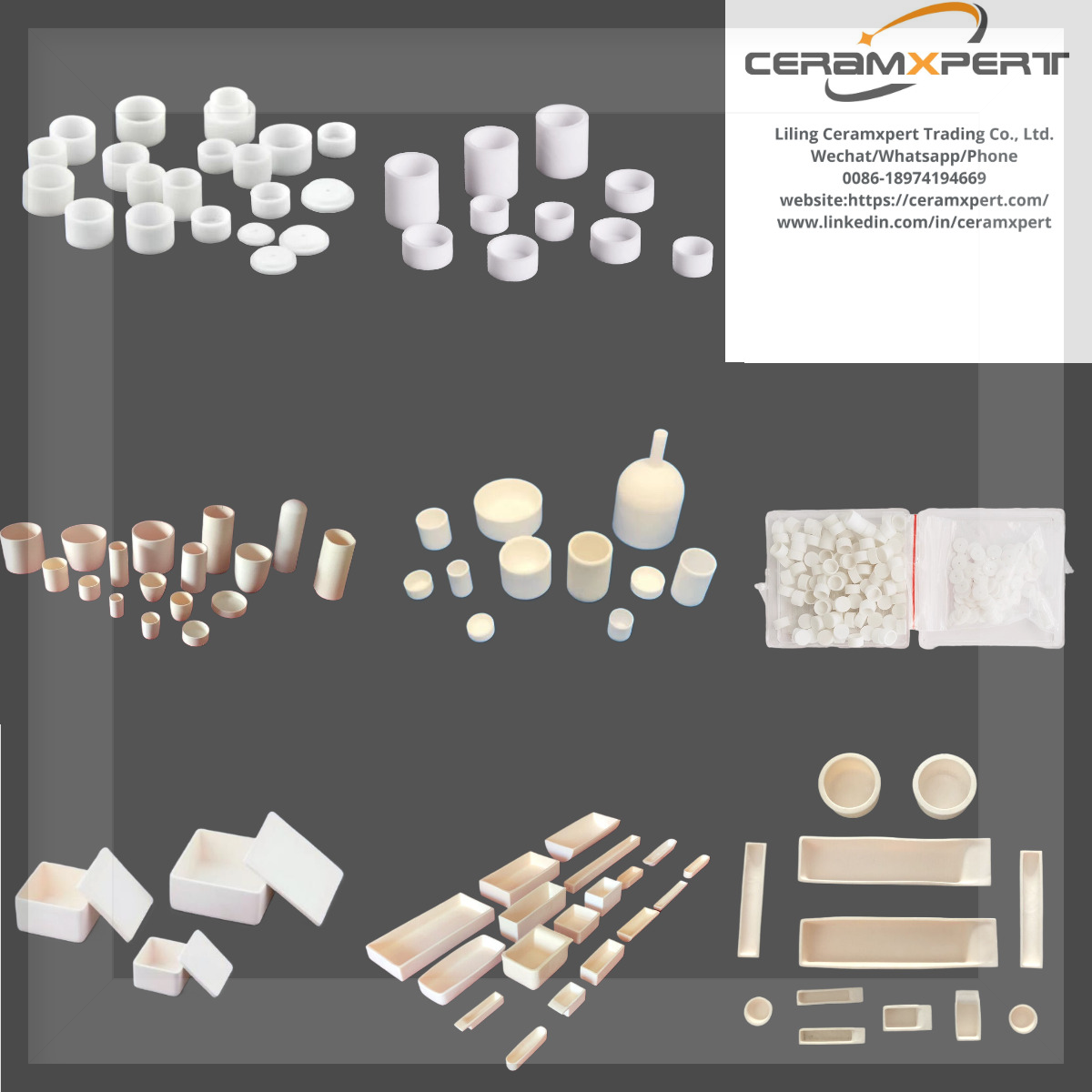
- Alumina and other ceramic TGA crucibles
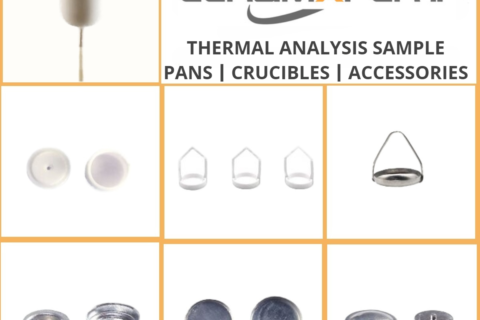
- DSC sample pans and lids
- Thermal analysis accessories
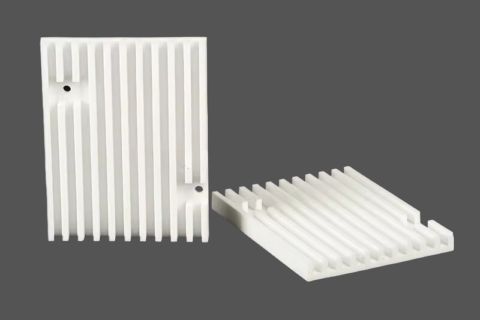
- Custom advanced ceramic components for specialized applications
By selecting suitable consumables and optimizing sample preparation, laboratories can work toward more efficient thermal analysis workflows without compromising data quality.
Looking to optimize your TGA testing process? Contact CeramXpert to discuss compatible crucibles and thermal analysis consumables for your instrument and application.
Note: Referenced OEM brand names and part numbers are for compatibility identification only. CeramXpert is an independent supplier and is not affiliated with the original equipment manufacturers.
#CeramXpert #TGA #ThermogravimetricAnalysis #ThermalAnalysis #TGAcrucibles #LaboratoryConsumables #MaterialsScience #QualityControl #PolymerTesting #AdvancedCeramics #LaboratoryEfficiency #GEO